8 Types of Beef Stew From Around the World
Beef stew is one of the few dishes that feels universal. Nearly every culture has its own version — slow-simmered, deeply seasoned, and designed to nourish both body and spirit. What changes from country to country isn’t the idea of beef stew, but the spices, aromatics, and traditions layered into the pot.
From Central Asia to Southeast Asia, Europe to the Middle East, these eight beef stews show just how diverse a single category of comfort food can be. Each one tells a story, making them perfect not only for cozy dinners, but for international date nights at home.
Below are eight distinct beef stew recipes from around the world, each with its own personality, flavor profile, and cultural roots.

Uzbekistan Lagman Beef Stew
Lagman is a hearty Uzbek beef stew that sits at the crossroads of soup, stew, and noodle dish. Popular throughout Central Asia, lagman features tender beef simmered with onions, peppers, tomatoes, and warming spices, then served with long hand-pulled noodles.
What sets lagman apart is its balance — rich but not heavy, aromatic without being spicy. The broth is deeply savory, often flavored with cumin and garlic, and the noodles make it a complete, satisfying meal in one bowl. It’s a stew meant to be shared, lingering over conversation long after the last bite.

Irish Beef Stew
Irish beef stew is simplicity at its best. Traditionally made with beef, potatoes, onions, and carrots, this stew relies on slow cooking rather than heavy seasoning to develop its flavor.
The result is a clean, hearty dish where the beef becomes meltingly tender and the vegetables soak up every drop of the broth. It’s rustic, unfussy, and deeply comforting — the kind of stew that feels right on a cold evening, paired with good bread and an unhurried pace.
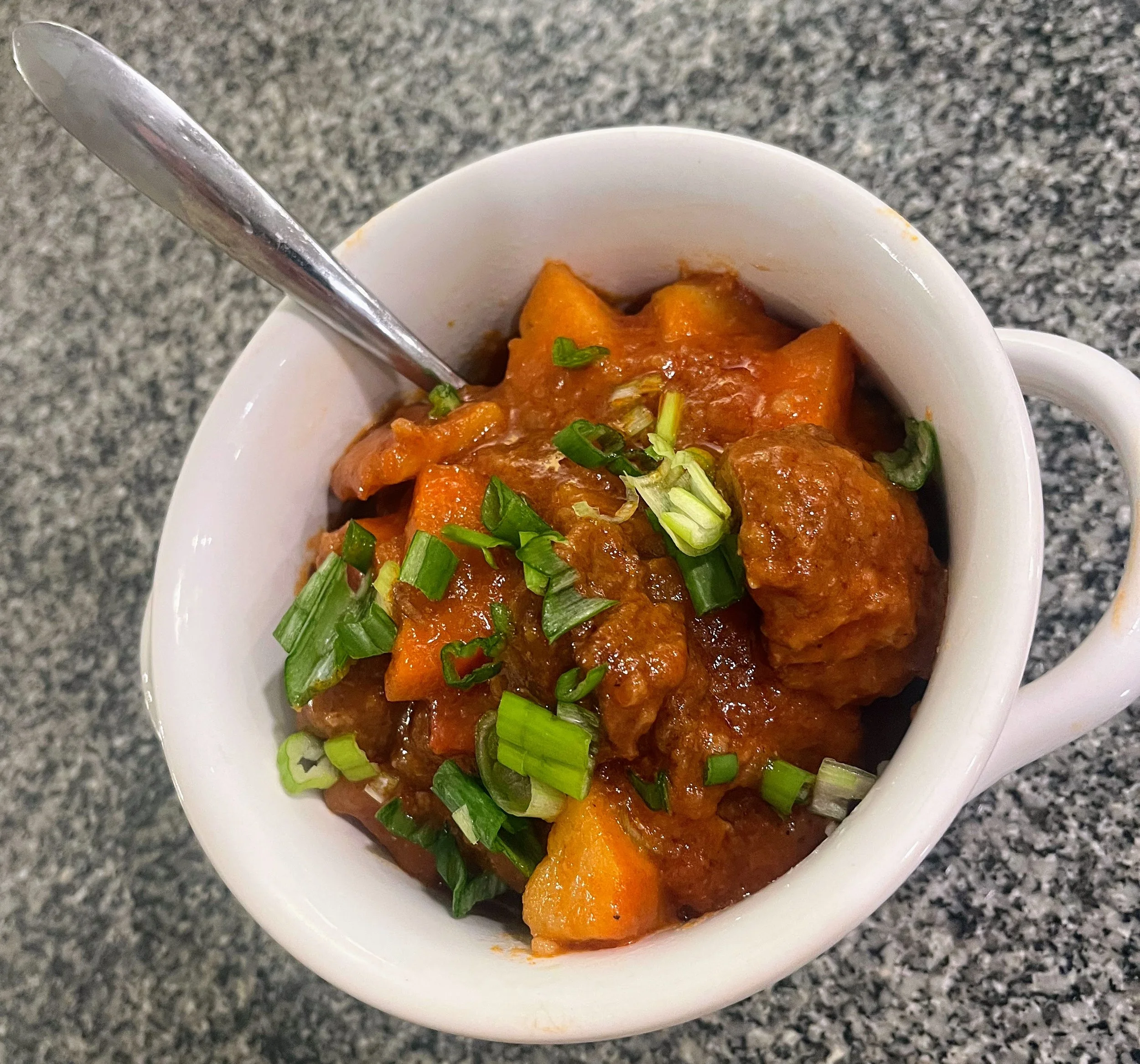
Filipino Beef Stew (Mechado)
Filipino beef stews are bold, rich, and layered. Depending on the region and household, dishes like mechado feature beef braised in a tomato-based sauce with garlic, bay leaves, and sometimes liver spread or cheese for extra depth.
These stews strike a balance between savory and slightly tangy, often finished with potatoes or bell peppers. They’re deeply satisfying and designed to be eaten with rice, making them both comforting and celebratory — a reminder that stews often anchor family gatherings.
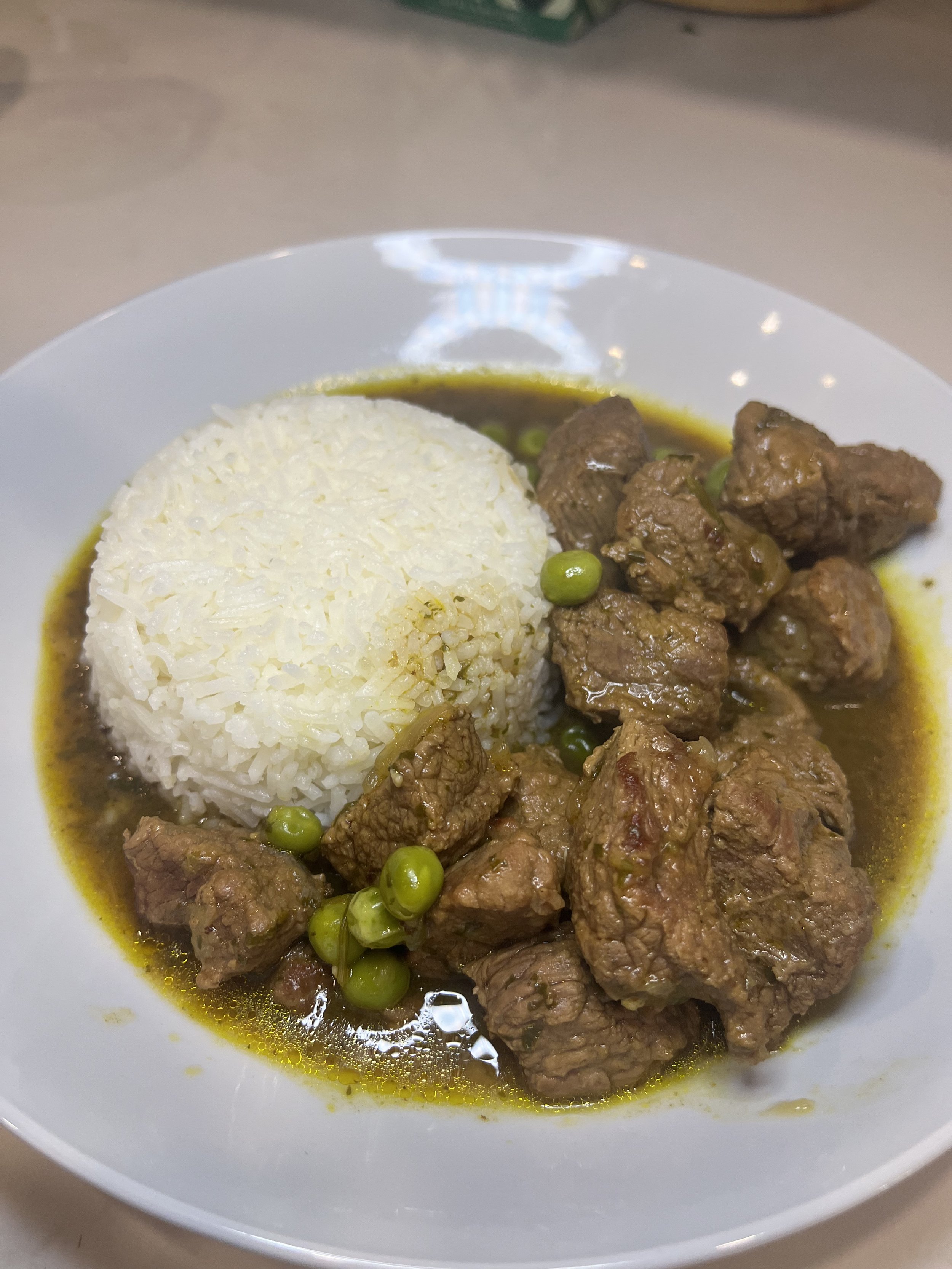
Peruvian Beef Stew (Estofado de Carne)
Peruvian beef stew reflects the country’s love of slow-cooked comfort food with bright, earthy flavors. Estofado de carne is typically made with beef simmered in tomatoes, onions, garlic, and spices, then finished with potatoes or peas.
What makes this stew special is its warmth rather than heat — the flavors are rounded and mellow, letting the beef shine. It’s filling without feeling heavy and works beautifully as a weeknight stew that still feels intentional and thoughtful.

Iranian Beef Stew (Ghormeh Sabzi )
Iranian beef stews, known as Ghormeh Sabzi , are fragrant, nuanced, and deeply rooted in Persian cooking traditions. Unlike many Western stews, Ghormeh Sabzi often balances savory elements with subtle sweetness or acidity.
Beef is slowly simmered with onions, turmeric, and sometimes dried limes, herbs, or fruits depending on the variation. The result is a stew that’s complex without being overwhelming, typically served with fluffy basmati rice. Iranian beef stew is elegant, aromatic, and ideal for a slower, more refined dinner at home.

Belgian Beef Stew (Carbonnade Flamande)
Belgian beef stew, or carbonnade flamande, is rich, dark, and deeply savory. Unlike wine-based stews, this classic dish uses Belgian beer to braise the beef, along with onions, mustard, and herbs.
The beer adds a subtle bitterness and sweetness that transforms as it cooks, creating a sauce that’s glossy and deeply flavored. Often served with fries or bread, this stew feels indulgent without being flashy — a reminder that comfort food can still feel sophisticated.

Dutch Beef Stew (Hachee)
Dutch beef stew, known as hachee, is slow-cooked simplicity with a slightly tangy edge. Beef is braised with onions, bay leaves, cloves, and vinegar, creating a stew that’s both savory and gently acidic.
The long cooking time breaks down the onions into a thick, flavorful sauce, while the vinegar keeps the dish from feeling heavy. Hachee is traditionally served with potatoes or bread and is a perfect example of how minimal ingredients can still produce deeply satisfying results.

Beef Pho (Vietnam)
While often classified as a soup, beef pho earns its place among the world’s great beef stews because of the time, care, and depth involved in its preparation. The broth is simmered for hours with beef bones, aromatics, and spices like star anise, cinnamon, and cloves.
The result is a clear yet intensely flavorful broth that forms the backbone of the dish. Thin slices of beef cook gently in the hot liquid, making pho both comforting and restorative. It’s lighter than many stews, but no less meaningful — proof that slow cooking doesn’t always mean heaviness.
Which Beef Stew Is Right for Your Next Dinner?
Each of these beef stews brings something different to the table:
Hearty and filling: Irish or Uzbek lagman
Bold and rich: Filipino or Belgian beef stew
Aromatic and refined: Iranian khoresh
Balanced and comforting: Peruvian or Dutch beef stew
Light yet soulful: Vietnamese beef pho
Exploring beef stew through different cultures is a reminder that comfort food isn’t one-size-fits-all. Sometimes, the most memorable meals come from stepping outside the familiar and letting another country’s traditions simmer on your stove.
For an international date night or a quiet evening in, these eight beef stews offer warmth, depth, and a chance to travel the world — one pot at a time.